Rethinking Child Protection and Caregiver Support in Uganda
“God sets the solitary in families; He brings out those who are bound into prosperity.” (Psalm 68:6) | “Behold, children are a heritage from the Lord.” (Psalm 127:3)
For decades, charities responding to poverty in sub-Saharan Africa built orphanages and residential institutions. But research and experience on the ground tell a different story: more than 80% of children in orphanages across the developing world have a living parent or close relative. What drives institutionalization usually isn’t a lack of family. It’s household poverty, a medical crisis, and no community safety net to catch a struggling family.
The National Child Policy and Why Family-Based Care Matters
Uganda’s Ministry of Gender, Labour and Social Development, through its National Child Policy (NCP), names family-based and kinship care the gold standard for child development. Institutions cut children off from their culture, their attachments, and their community.
Children don’t belong in institutions. They do best with parents, grandparents, and guardians who have the emotional, spiritual, and material support to care for them.
Walking into Living Rooms: The NextSteps Home Visitation Model
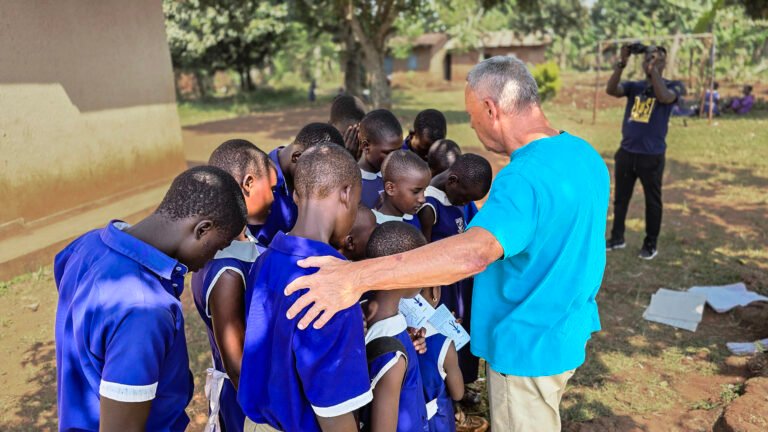
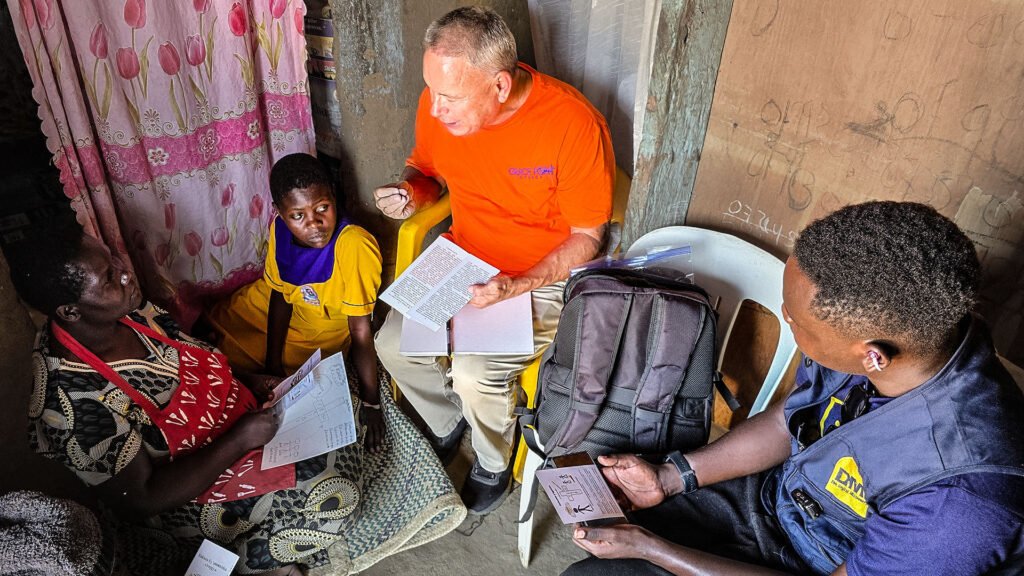
NextSteps Ministries Uganda works to strengthen the family, not replace it. We believe God made the family the first place love, faith, and protection take root (Psalm 127:3; Proverbs 22:6). Through our Family Care and Home Visits Program, field teams and local pastors walk into the homes of vulnerable children across Jinja, the lakeshore villages, and the islands.
- Household Wellbeing Checks: We sit with caregivers and look at safety, sanitation, sleeping conditions, protection risks, and food security.
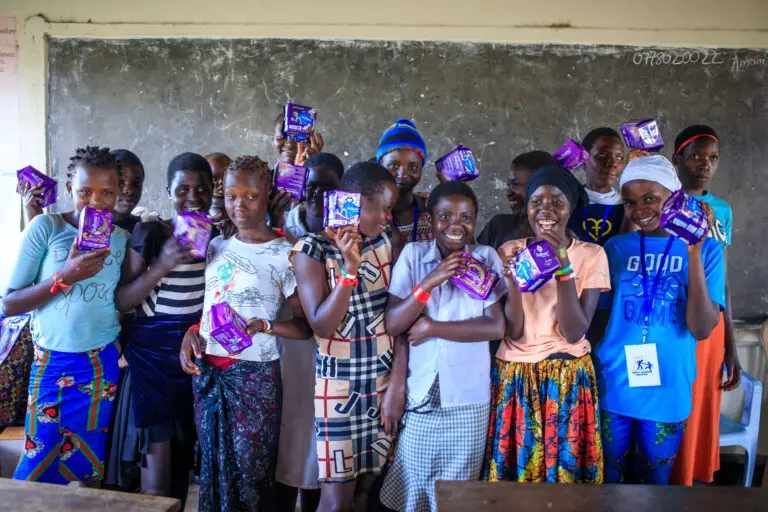
- Emergency Relief: When crops fail, fishing is banned, or illness hits, we bring food staples (posho, rice, beans) and soap to keep the household together.
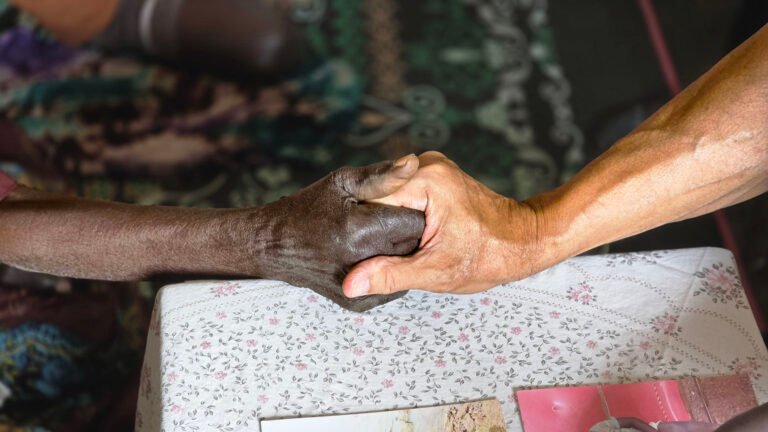
- Pastoral Counseling: Pastors sit on woven mats with parents to pray, read Scripture, and work through marital tension, stress, and despair.
From Crisis Relief to Lasting Stability
Emergency food gets a family through a crisis, but lasting relief means a household earning its own way. Through the EquipChurch Family Mentorship Program, NextSteps Ministries organizes caregivers into community savings and loan groups (VSLAs) and teaches basic financial literacy.
Caregivers learn to start micro-gardens, raise poultry, or run small market stalls, building savings over time. Parents end up covering their own children’s school fees, healthcare, and food, and the cycle of dependency ends with them.
Enduring Safety Nets in the Church
Local church leaders, not outside staff, run the home visits and discipleship cells that keep this going. That’s what makes the safety net hold: children stay protected, loved, and in school, inside their own families.